

Full course description

In this Lifestyle Medicine Microcredential, high school age students learn the core concepts of Lifestyle Medicine to use when moving from childhood to adulthood to sustain or improve their health and well-being. Upon completing this course, high school-age students gain knowledge and skills to facilitate their own mindset and behavior change to generate sustainable, healthy lifestyles that prevent or treat disease, and foster well-being and thriving.
Lifestyle Medicine is the use of evidence-based lifestyle behaviors, including a whole-food, plant-predominant eating pattern, regular physical activity, restorative sleep, stress management, avoidance of risky substances, and positive social connection, to achieve optimal health and prevent chronic disease. Lifestyle Medicine is important because 80% or more of all health care spending in the U.S. is tied to the treatment of conditions rooted in unhealthy lifestyle choices. Diseases and conditions such as high blood pressure, heart disease, stroke, type 2 diabetes, obesity, and multiple types of cancer are among the most common and costly of all health conditions, but they are also preventable through lifestyle medicine.
Estimated Hours to Complete: 20
Providing this information to high schoolers can help prevent these issues because Lifestyle Medicine addresses root causes by focusing on building lifestyle choices that prevent these diseases from occurring in the next generation. When implemented, lifestyle medicine can work at all three levels of public health prevention to prevent, treat, and even reverse these conditions. This microcredential allows high schoolers to learn about and establish healthy habits early on, fostering a healthy lifestyle that supports whole-health concepts
Course Outcomes
Upon completion of this course, learners will be able to:
- Describe basic lifestyle medicine strategies that promote healthy daily behaviors and overall well-being.
- Establish healthy habits early on, fostering a healthy lifestyle that supports whole-health concepts.
- Facilitate personal mindset and behavior change to generate sustainable, healthy lifestyles that prevent or treat disease and foster well-being and thriving.
Requirements
To be eligible for this microcredential, the student must be enrolled in a public, private, or home high school and have attended school for at least 90% of the time in the fall or spring semester preceding the date of application. Students must be in good academic standing, express an interest in lifestyle health, and be available and committed to participating in all training activities.
How to Earn this Microcredential
 |
A microcredential recognizes your successful completion of a structured learning experience designed to build and validate specific teaching and learning competencies. Microcredentials go beyond course participation; they certify that you have demonstrated defined skills aligned to institutional standards and professional practice. When you earn a microcredential, you also receive a digital badge, which serves as the official, portable record of that achievement. Your digital badge is the verified representation of your microcredential. It is an online credential that contains embedded metadata—secure, verifiable information that documents:
This means your microcredential is not just a line on a transcript—it is transparent, verifiable, and shareable proof of your learning. Preview the pathway for the completed microcredential in order to review the microcredential's requirements. |
Course Faculty
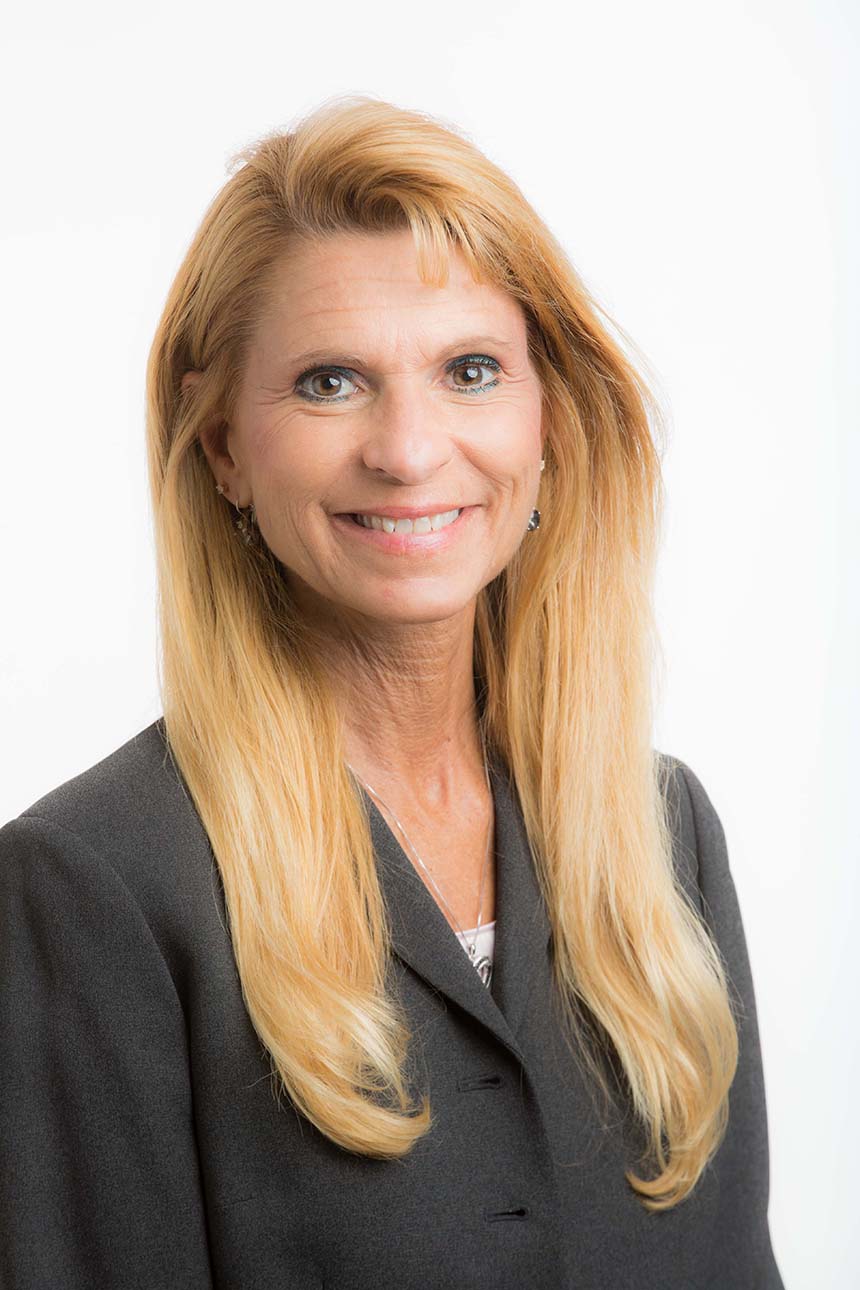 |
Teresa Wagner, DrPH, MS, CPH, RD/LD, CPPS, CHWI, DipACLM, CHWC Dr. Teresa Wagner is a public health leader and lifestyle medicine expert at UNT Health Fort Worth, where her work focuses on improving health outcomes through health literacy, behavior change, and community-based education. A registered dietitian with a doctorate in public health, she integrates the core pillars of lifestyle medicine, including nutrition, physical activity, sleep, stress management, and social connection, to prevent and address chronic disease. Dr. Wagner pioneered the first teen lifestyle medicine microcredential program, working with teens to develop this tool to equip high school students with evidence-based knowledge and skills to build lifelong healthy habits and reduce future disease risk. Her broader work advances lifestyle medicine through research, teaching, and community health worker training, empowering individuals and underserved communities with the knowledge and skills needed to improve population health and health equity. |