

Full course description

Through plain-language content, role-play, and branching scenarios, learners will build practical skills to stay calm, make informed decisions, and take action when seconds count. Whether it’s calling 911, choosing between urgent care and telehealth, or managing panic in a crisis, this course provides step-by-step guidance to build confidence and knowledge about how to handle high-stress situations. Learners will explore real-life situations, receive immediate feedback, and walk away with downloadable tip sheets and key takeaways to use and share.
Estimated Hours to Complete: 1.5 hours
Course Faculty:
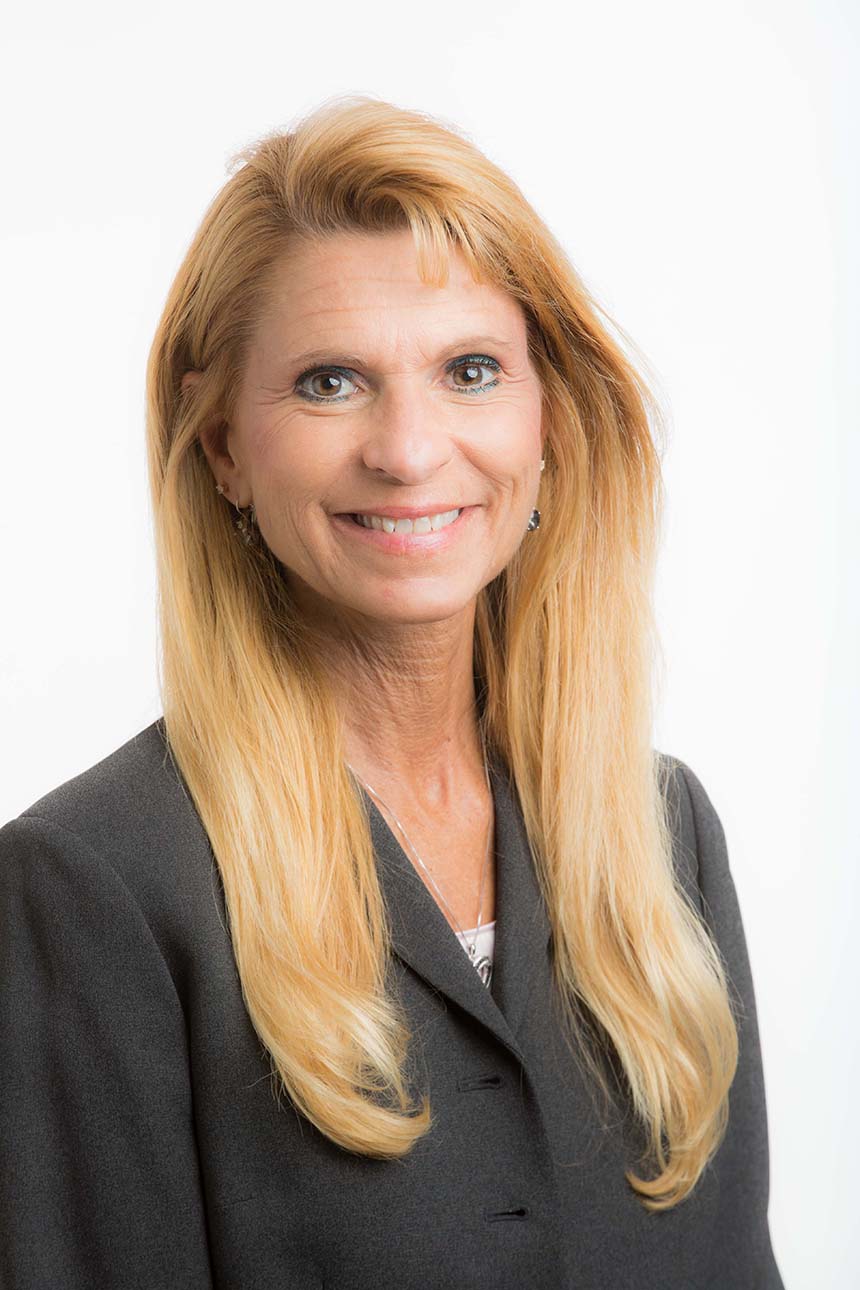 |
Teresa Wagner, DrPH, MS, CPH, RD/LD, CPPS, CHWI, DipACLM, CHWC Dr. Teresa Wagner graduated with a Doctorate in Public Health from UNT Health Fort Worth, where she is an Associate Professor in the College of Public Health, Department of Health Administration and Health Policy. She also serves as the Director of the UNT Health Texas State Certified Community Health Worker Training Center. Dr. Wagner is a registered and licensed dietitian certified in Public Health, Patient Safety, Lifestyle Medicine, Health Coaching, Clinical Health Equity and as a certified Community Health Worker (CHW) Instructor. She has delivered multiple programs, speaking engagements, and trainings on health literacy issues. Dr. Wagner has a passion for helping people navigate health care. Her research focuses on health literacy, the ability for people to obtain, read, understand, and use healthcare information to make informed health decisions and follow instructions for treatment. She’s a sought-after presenter and mentor who has received multiple awards and recognitions for her work. Dr. Wagner recognizes that CHWs are the conduit to health literacy, patient safety, and public health for the communities they serve. |
Dr. Wagner would like to acknowledge the significant contributions of Talley Caruso, ESL Educator and Andrew Taylor, BS in the development of this module.
This work was supported by the National Library of Medicine, National Institutes of Health, under Cooperative Agreement number UG4LM012345. The content is solely the responsibility of the authors and does not necessarily represent the official views of the National Institutes of Health.